



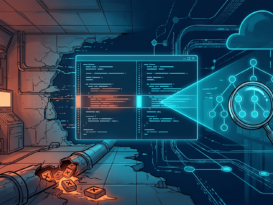









Secure exam delivery is no longer defined by a physical venue alone. As assessments move into homes, schools, workplaces, and hybrid environments, institutions need to protect more than access to the test itself. They must protect trust in the process, consistency in the candidate experience, and confidence in the results. Beyond the test centre, exam security becomes a broader operational challenge shaped by identity checks, supervision models, system design, and the ability to maintain comparable conditions across different settings.
Why Security Gets Harder Outside Test Centres
In a traditional test centre, many controls are built into the venue. The room is managed, the exam setup is predictable, and supervision is visible. Staff can respond quickly to technical issues, enforce procedures consistently, and reduce uncertainty before the assessment begins. These built-in conditions make it easier to maintain a secure and stable delivery model.
Once exams move beyond that setting, the institution has less direct control over the testing environment, the device being used, the quality of the internet connection, and the possibility of interruption. Even when candidates act appropriately, those differences can affect both exam security and delivery consistency. This is where institutions often start asking what is remote proctoring and how it fits within a broader delivery model built on clear procedures, system controls, and consistent oversight.
What Verification And Supervision Look Like Elsewhere
When exams move beyond test centres, verification and supervision need to work differently because the setting is less controlled. Secure delivery in these environments usually depends on three linked areas: how candidates are verified before the session, how supervision is applied during the exam, and how disruptions are handled if something goes wrong.
- Verification Starts Before The Exam
Identity assurance is strongest when it forms part of the pre-exam process, rather than being treated as a last-minute check. Login controls, registration details, timed access windows, and other entry conditions help confirm that the right candidate is entering the right session under the right rules. This creates a clearer foundation for the exam before the first question appears.
- Supervision Needs To Match The Stakes
Not every assessment requires the same level of oversight. A high-stakes professional or admissions exam may require stricter supervision than a lower-stakes progress test. What matters is that the supervision model matches the purpose of the exam and is supported by clear operational rules, rather than being applied as a one-size-fits-all control.
- Procedures Matter When Things Go Wrong
Secure delivery also depends on how disruptions are handled. Connection failures, frozen devices, delayed logins, or unexpected interruptions need a consistent response. If institutions do not define these procedures in advance, the reliability of the delivery model can weaken even when the assessment platform itself is technically sound.
Why Comparability Matters Across Locations
A secure exam is not simply one that prevents misconduct. It is also one that protects comparable conditions across different locations. In ETS’s 2024 research report, Detecting the Impact of Remote Proctored At-Home Testing Using Propensity Score Weighting, the comparability issue is framed in straightforward terms: test results should still “carry the same meaning regardless of test conditions”. That is especially relevant when institutions are comparing remote-proctored and test-centre delivery, where differences in environment, equipment, connectivity, and supervision can all affect how confidently results are interpreted as fair and equivalent.
This is why comparability matters as much as supervision. Institutions need to think carefully about timing rules, permitted materials, technical requirements, candidate instructions, and support processes across different settings. Security supports fairness when it helps ensure that candidates are assessed under conditions that are consistent enough to make results meaningful and credible.
Why Secure Delivery Depends On Joined-Up Systems
Beyond test centres, secure exam delivery depends on how well different parts of the process work together. It is not enough to have one strong control if other parts of delivery are inconsistent or disconnected. In distributed settings, secure delivery is more dependable when systems, procedures, and operational roles are aligned from the start.
This is why secure delivery is usually judged by the strength of the overall process, not by any single control in isolation.
- Security Depends On Operational Alignment
A secure browser, a monitoring tool, or a strict access rule can all help, but none is sufficient on its own. Security becomes more reliable when these measures are aligned with candidate communication, staff roles, and support procedures. The stronger the coordination between these elements, the more dependable the delivery model becomes.
- Evidence Supports Defensible Outcomes
Secure delivery should also create a clear audit trail. Access logs, session records, incident notes, and review processes help institutions understand what happened during an exam and respond properly when questions arise. In distributed settings, that evidence is often essential for protecting confidence in the result and in the integrity of the wider assessment process.
Secure Delivery Now Extends Beyond The Venue
Secure exam delivery beyond test centres is no longer just about recreating physical invigilation in another place. It is about designing an assessment model that protects identity, comparability, procedural consistency, and operational control across a wider range of environments. When institutions treat exam security as a joined-up system rather than a venue feature, they are better placed to deliver assessments that remain fair, credible, and defensible wherever they happen.







Show Comments (0)