









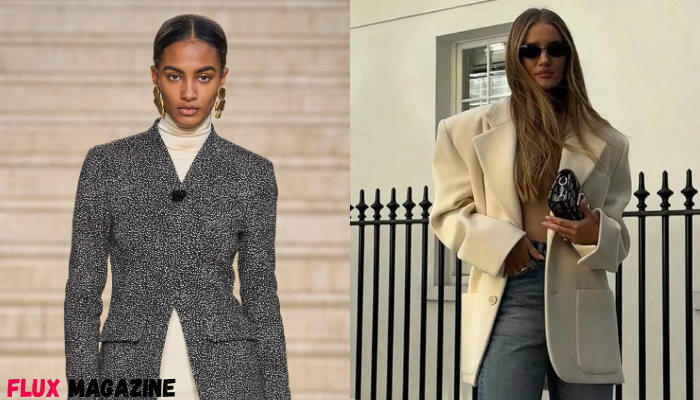
The phrase “quiet luxury” has been worked half to death over the past two years, reduced to a shorthand for beige cashmere and logo-free handbags. But strip away the styling and there is a real idea underneath, one that has less to do with what a brand makes than with how it behaves.
Restraint, properly understood, is not a look. It is a posture. It is the confidence to say less, to explain nothing, and to trust that the right audience will understand. The fashion houses that have mastered this do not whisper because whispering is fashionable; they whisper because they have nothing to prove. That self-assurance is the actual luxury. The clothes are merely where it becomes visible.
This distinction matters enormously for any brand trying to build longevity rather than a season of attention. A house that chases volume, louder campaigns, more drops, broader collaborations, can generate spectacular short-term numbers and quietly erode the very scarcity that made it desirable. Ubiquity and prestige cannot occupy the same space for long. Every additional touchpoint that prioritises reach over coherence spends down a brand’s cultural capital, and that account is far harder to refill than it is to drain.
The brands that resist this pressure tend to treat their identity as a discipline rather than a marketing function. Decisions are filtered through a clear sense of who the brand is and, just as importantly, who it is not. A genuinely distinctive house will turn down opportunities that a growth-at-all-costs competitor would seize, because it understands that saying no is how a point of view stays sharp. This is the kind of thinking a serious luxury fashion branding agency brings to the table, not a new logo, but a framework for deciding what belongs and what does not.
It helps to remember that fashion has always been a behavioural category as much as a visual one. The way a brand answers an email, stages a show, prices a piece, or chooses its collaborators communicates more than any campaign image. Customers read these signals fluently, even unconsciously. A house that behaves with consistency and confidence feels coherent; one that lurches between registers, austere one season, maximalist the next, chasing whatever is performing, feels anxious, and anxiety is the opposite of luxury.
None of this is an argument against growth. It is an argument for growing in a way that compounds rather than dilutes. The healthiest luxury brands expand by deepening, not broadening, going further into what they already believe rather than spreading themselves across what is currently popular. Each new product, store, or campaign reinforces the central idea instead of complicating it. Done well, scale makes the brand feel more itself, not less.
For founders building in this space, the practical takeaway is to define the idea before defining the aesthetic. Aesthetics are downstream. They will shift with the times, and they should. But the underlying conviction, the reason the brand deserves to exist, is what holds everything together as trends come and go. Get that right, and restraint stops being a styling choice and becomes what it was always meant to be: the natural expression of a brand that knows exactly what it is.
Quiet luxury, in the end, is just coherence wearing good tailoring. The clothes will change. The discipline, if it is real, will not.




Show Comments (0)