













Most of us like to believe our decisions are our own. We like to convince ourselves that we weigh alternatives thoughtfully, decide logically, and select cookware, breakfast cereals, or political candidates with freedom of choice. Experience, however, often indicates that something else governs many of our decisions: forces that often operate below the threshold of recognition.
These forces do not often make their presence known. They do not seem nosy or forcing. Rather, their presence is subtle and behind the scenes as they shape preference. We walk through grocery stores designed with the intent of guiding our path. We click through feeds designed to keep us engaged. Certainly, even the language that surrounds us shapes us in ways that few pause to consider.
It is not a conspiracy, but a system. Our modern world is organized around rewards for certain behaviors and deterrents for other behaviors. This creates a world of active choices that still occur within a framework of guidance that steers us in certain directions. Usually, this is invisible work. We do not notice it.
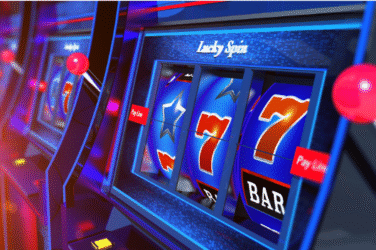
That subtle guidance appears everywhere, including in places people do not immediately associate with behavioural design. Loyalty schemes, subscription trials and even the framing of a casino bonus operate on the same psychological principles as supermarket discounts or app notifications. They rely less on persuasion and more on timing, visibility and the human tendency to respond to perceived opportunity.
How Design Became Decision Making
Behavioural economists have long argued that humans are not purely rational actors. We rely on shortcuts, habits and emotional cues to make sense of complexity. Modern systems are built with this in mind. They do not force decisions. They make certain outcomes easier than others.
Consider how often convenience wins. A default option is selected because changing it requires effort. A familiar brand is chosen because it feels safer. A limited time offer draws attention because scarcity triggers urgency. None of these remove agency, but all influence behaviour.
The most effective systems feel invisible. When design works well, people believe they are acting independently. The influence fades into the background, becoming part of the environment rather than a visible push.
The Comfort of Being Guided
There is a reason many people welcome these quiet systems. Decision fatigue is real. In a world full of constant choice, guidance can feel like relief. Knowing where to click, what to select or when to act reduces mental strain.
This is why people respond well to recommendations, rankings and prompts. They simplify complexity. They reduce risk. They provide reassurance. The system does not need to convince us it is right. It only needs to appear reasonable.
In that sense, modern incentives are not about manipulation. They are about reducing friction. When friction disappears, action follows.
Where Awareness Begins to Matter
The problem arises when people mistake guided choice for independent judgement. Awareness does not mean rejecting all influence. It means recognising when design is doing some of the thinking for us.
This matters most in environments where stakes are higher. Financial decisions, health choices and long term commitments deserve attention. Quiet nudges can still be helpful, but only when understood rather than assumed.
Understanding how incentives work allows people to pause. It creates space between impulse and action. That pause is often enough to restore balance.
Why These Systems Are Not Going Away
The quiet systems shaping decision making are becoming more refined, not less. Data allows designers to test behaviour at scale. Interfaces adapt in real time. Messaging evolves based on response. The future will not be louder. It will be smoother.
This does not mean individuals are powerless. In fact, awareness has never been more valuable. Knowing that incentives exist allows people to question them. It restores agency without demanding constant vigilance.
The goal is not resistance, but literacy. Just as people learn to read contracts or understand pricing, learning how incentives shape behaviour is part of modern competence.
The Personal Element We Often Overlook
I have noticed this most clearly in my own habits. The decisions I regret are rarely dramatic. They are small, repeated actions made without reflection. I am not talking about repeated morning Spotify playlist grooves with a cup of coffee, no. Those moments are called for and are sacred. These are the moments I feel most in control actually, and they are those where I slow down and ask why something feels appealing. It is rather the routine every day, without joy or value, that needs to go noticed.
Often, the answer has little to do with need and much to do with framing. Once seen, the effect loses some of its power. The system does not disappear, but it becomes negotiable.
That is the quiet advantage of awareness. It does not demand perfection. It simply invites curiosity.
Choosing With Eyes Open
The modern world will continue to guide, suggest and reward certain behaviours. That is not inherently negative. Systems exist to organise complexity. But understanding their presence matters.
True autonomy does not require isolation from influence. It requires recognising influence when it appears for the greater good. The quiet systems steering our choices work best when unnoticed, like concrete. It is everywhere, but goes unseen because nobody pays attention to it. The moment it is seen, it becomes valued for structure and purpose on the road ahead. Treat that same notion with the rest that goes unnoticed. Once you make it become part of the conversation rather than just something taken for granted, your perspective changes. And sometimes, that small shift in perspective is all it takes to choose differently.






Show Comments (0)