












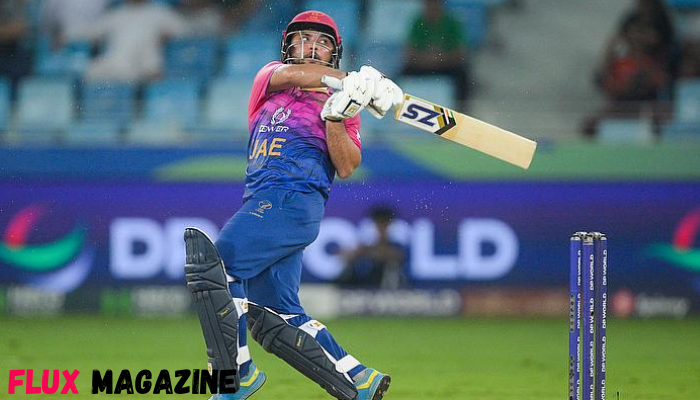
Every Nepal and UAE match in T20 cricket is not just another match; they test themselves on nerves, stamina, and execution under pressure. These teams have perfected the art of making regional qualifiers pressure cookers, and they’re doing it once again on the world stage. Their last encounter was pandemonium, Nepal causing a last-ball upset. This time, both teams come fully loaded. Expect the unexpected, sustained competition, and a promise that there will be no walkovers. We’re going to detail why this encounter is so special and the importance of both teams being fully loaded for this encounter.
A Rivalry Built on Thin Margins and High Stakes
Nepal and the UAE don’t just play each other; they push each other. In Nepal`s last meeting, the tension was thick in October of 2025 in the Asia-EAP Qualifiers, as Nepal seemingly edged out the UAE in the history books with the last-ball T20 finish. Dipping Singh Airee was a masterclass in all-rounders, and with some of the sharpest fielding in the tournament, it sealed a last-ball thriller for Nepal. That victory showcased Nepal`s dominance and rekindled the ignited rivalry.
While cricket brings fans together during big matches, many also explore digital entertainment between games. Whether it’s mobile esports or users looking to play casino online real money, the crossover between sports and gaming is growing fast in the region. It’s all part of the same ecosystem of digital thrill and instant action that fans now expect around every major tournament.
Both teams have changed after that encounter. We have seen the comeback of Nepal through the Nepal Premier League. The UAE no longer stumbles in their early matches; they show depth as they clinch the last World Cup spot. Both teams have firepower, yet both have flaws. They both have a history of their last encounter.
What to Watch Before the First Ball Is Bowled
This isn’t just a battle of teams. It’s about control, psychology, and execution in crunch time. A few things to watch:
Spin vs Power: Nepal’s spinners love slow tracks. UAE’s openers rely on pace-on shots.
Fielding Efficiency: Nepal’s run-outs have been decisive. The UAE must tighten its infield game.
Captaincy Under Pressure: Rohit Paudel reads game phases better. Waseem swings momentum fast but can be impulsive.
These factors might not show up in scorecards, but they flip matches. Keep an eye on the small moments.
Momentum Is Nothing Without Execution
Nepal topped their group, then won two tight Super Six matches to take the regional title. Their bowlers, Lamichhane and Rajbanshi, build pressure with control. Airee adds finishing power and often turns games around on his own.
With close games like these, interest in sports betting rises naturally. Many fans track live odds during tense overs, and Melbet registration is often used to follow in‑play markets without delays. That habit fits the rhythm of matches decided in the final moments.
The UAE had a rougher path. They almost missed out but beat Japan in a must-win game. Waseem and Shahdad hit hard early, but they’ve struggled under late-game pressure. Junaid Siddique brings experience and steadiness, but it won’t help if their top order fails again.
Nepal’s Tactical Control Is Its Edge
Nepal knows how to win tight, messy games, and that’s their edge against the UAE. They stay calm when things go wrong and don’t panic after early wickets. Lamichhane controls the middle overs, while Paudel keeps the innings together. Airee adds balance by finishing games with bat or ball. They don’t dominate quickly; they drain opponents over time.
The risk comes early. Powerplay batting can still wobble if the new ball bites. When Nepal survives that phase, the rest usually falls into place. Home-style conditions and confidence from the NPL make them harder to shake, even in close contests.
UAE Relies on Fireworks but Struggles with Flickering
UAE’s strength is clarity, they know what they’re trying to do. Waseem sets the tone fast, and if he gets going, the innings can spiral in their favor quickly. Shahdad is a rising force, and their bowling, led by Siddique, has adapted to T20 tempo. But their weakness is consistency. One bad over or a misfield can send the whole plan sideways.
Against Nepal, they often start well but lose shape under pressure. It’s not a skill issue, it’s a composure issue. Their ILT20 experience gives them a franchise polish, but national colors come with a different weight. They need better middle-order stability to handle slow wickets and sharp spinners. Otherwise, it’s the same script all over again.
The Match Will Likely Flip in Overs 16–18
It isn’t a game that’ll end with Powerplay. Both teams have drag matches. Because of Airee, Nepal has the best record in close finishes, but only if it has overs or balls to go. UAE has to attack early to remove clogs in the middle order of Nepal. When Waseem falls before the 10th over, it is stalling time for the Falcons.
Between overs 12 to 18, expect to see clever changes in the order of bowlers, aggressive changes in the field, and smart over management. It is the time where therefore panic or poise will win the day.
One Game, Two Stories, No Room for Error
While Nepal seeks to end its control in dominance, the UAE seeks to control the defiance in the end, rewriting. No one is coasting in this game, both are determined to win. Both sides qualified, and neither is satisfied. What happens in this match is a statement for their World Cup campaigns. Most importantly, it is a game for control in their ongoing rivalry







Show Comments (0)