













In a transition to a low-carbon future, battery energy storage systems manufacturers are key in transforming the methods of production, storage, and use of renewable energy. With the rise in global energy demands, the need for efficient, reliable, scalable, and cost-effective energy storage solutions has become a priority for governments and businesses. In this piece, the focus is on how an energy storage system manufacturer improves renewable energy infrastructure, strengthens the stability of the grid, and assists B2B sectors in meeting their sustainability targets.
The Growing Importance of Energy Storage in the Renewable Era
Solar and wind energy are renewable, free, and sustainable energy sources, but their production is intermittent. The sun does not shine all the time, and the wind does not blow constantly. This variability poses a notable challenge for businesses and industries that need consistent and reliable energy.
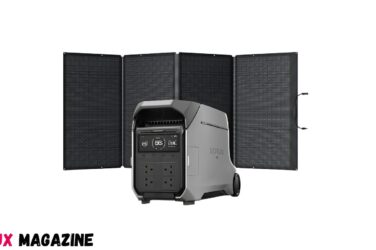
This is the challenge that battery energy storage systems seek to address. Energy storage systems (ESS) capture excess electricity during low demand periods and discharge electricity during low production periods, or when demand is high. ESS enables an uninterrupted and reliable energy supply, which is essential for commercial and industrial activities.
An energy storage system manufacturer innovates advanced battery technologies and integration solutions that enable organizations to optimize their energy efficiency. These systems significantly reduce reliance on fossil fuels and improve the flexibility of the power grid while stabilizing and balancing supply to renewable energy sources.
For B2B clients that include manufacturing facilities, data centers, and energy utilities, the strategic incorporation of battery storage systems solutions has now become an operational efficiency game-changer. It greatly bolsters energy supply stability while also improving corporate sustainability image.
How Battery Energy Storage Systems Manufacturers Drive Technological Innovation
Over the last ten years, the improvements in battery technology has expanded the range of commercially available power storage options. In addition to lead-acid systems, now lithium-ion, sodium-ion, and even solid state systems are available, all of which have significantly improved the storage capacity, operational safety and lifespan of systems.
Battery energy storage systems manufacturers are innovating rapidly and are, for the most part, the industry pioneers. Many are patenting smart, efficient, and competitively priced energy storage systems. The range of industry offered performance and reliability improvements are the results of cutting edge advancements in battery chemistry, thermal management, and digital control.
Innovations have been made in the following areas:
- New battery materials: Manufacturers are realizing improvements in cycle life and safety as well as charge and discharge rates.
- Smart energy management systems ( EMS ): These systems streamline power control and automate real-time balancing.
- Scalable modular designs: ESS units can now be customized and scaled for projects ranging from small businesses to large utility grids.
- Recycling and sustainability improvements: Manufacturers are focusing on eco-friendly materials and closed-loop recycling to minimize environmental impact.
B2B clients can collaborate with cutting-edge manufacturers and take advantage of advanced energy systems that enhance efficiency and lower greenhouse gas emissions.
Enhancing Grid Stability and Energy Security
Grid instability is one of the most important integrations of renewable energy. Without energy storage, volatile generation of power can result in major problems, including blackouts, inefficient systems, and lost value in the system.
Energy storage systems mitigate these circumstances by providing grid balancing services. They take in excess electricity generation and store it to release it later when electricity generation is low. This system greatly reduces the value of inefficient and costly pumped hydro systems and maintains the desired grid system frequency and at lower help to prevent system overload. Regions with deregulated markets, such as those comparing victoria electricity rates, benefit significantly from energy storage as it enables better price optimization and grid management.
Their reliability is a major asset to B2B clients. Continuous operation businesses in manufacturing, telecommunications, and logistics are greatly impacted by unstable energy. The energy services storage systems help these industries optimize energy use and energy protect their systems from spoilage.
Also, these systems could allow companies to engage in energy trading or demand response activities, creating additional revenue streams. With battery energy storage systems paired with renewables, commercial entities and large scale power producers attain greater autonomy and sustainability in how they operate.
Supporting Decarbonization and Corporate Sustainability Goals
There is growing pressure on all industries globally to minimize carbon emissions and comply with standards. The installation of storage systems along with renewables and energy trading could open additional revenue streams. However, just adopting renewables will not meet sustainability goals as energy storage remains vital to ensure clean power can be deployed at any time.
Businesses will be able to utilize more renewable energy during low generation periods and eliminate the need to switch on fossil-fuel powered backup generation, thereby fossil fuel dependence and emissions will drastically be reduced and the value of the renewable investment will be enhanced.
Industrial buyers collaborating with a trusted energy storage system manufacturer can expect more customized systems that integrate into their business. Such certified manufacturers optimize their systems for best efficiency and low negative impacts on all sustainability aspects.
Recycling and the circular economy are also priorities for the design of modern energy storage systems. This long-term focus on sustainability is beneficial for businesses trying to achieve and improve their ESG status.
This is why partnership between battery energy storage systems manufacturers and energy storage system manufacturers is important in helping businesses achieve carbon neutrality while continuing to run their operations efficiently.
The Future of Energy Storage for B2B Applications
As the clean energy transition accelerates, the energy storage global market will grow significantly. Some estimates have exponential growth of installed energy storage by 2030 due to technological improvements, supportive policies, and lower costs.
For B2B, the stored and managed renewable energy is a game changer. Businesses can increase operational efficiency, reduce downtime, and control costs. They can also lower energy bills and protect their operations from the unpredictable energy market.
Industry innovators are working on:
- Hybrid energy systems: Integrated systems that combine solar, wind, and storage for maximum efficiency.
- AI-driven energy optimization: Systems that use smart algorithms to analyze, predict, and control demand for energy and the use of storage.
- Decentralized microgrids: Businesses are designing fully autonomous independent energy networks with renewable generation and storage.
- Second-life battery applications: Mitigating waste and expense by converting used EV batteries into stationary energy storage.
These innovations show that the energy storage sector is not simply providing support to renewables, but is actively changing the world’s energy economy.
With the growing number of enterprises focusing on improving energy resilience, emissions reductions, and cost efficiency, partnerships with energy storage system manufacturers are going to be fundamental to every sustainable business plan.
Conclusion
The future of renewable energy and the management of industrial power is, in large part, in the hands of battery energy storage systems. For B2B enterprises, the value of battery systems goes far beyond backup power; they offer the enhanced value of improved operational power efficiency, system power sustainability, and enhanced power reliability, all essential business advantages.
The relentless progress made by battery energy storage systems manufacturers underscores the growing need to collaborate with the right partners, ones who offer systems that are scalable, smart, and sustainable. Tight collaboration with a dedicated energy storage system manufacturer will give businesses the guaranteed streamlined integration of renewable energy into their operations, setting the stage for improved energy resilience, enhanced energy economic viability, and a much cleaner energy future.





Show Comments (0)