










Access to healthcare has always been shaped by geography, infrastructure, and resources. In recent years, however, a quiet shift has been taking place, one driven not by hospitals, but by engineering. Industrial fabrication is now playing a critical role in expanding healthcare reach through mobile solutions that bring care directly to communities. From rural regions to urban emergency response scenarios, mobile medical units are redefining how and where care is delivered.
This evolution is not simply about transportation; it’s about precision design, durability, and adaptability. Fabrication experts are now collaborating with healthcare providers to create highly specialized environments on wheels, capable of supporting diagnostics, treatment, and even surgical procedures. The result is a blend of engineering innovation and medical necessity that is reshaping the healthcare landscape.
The Rise of Mobile Healthcare Infrastructure
Healthcare systems around the world are under pressure to become more flexible and responsive. Traditional facilities, while essential, often lack the agility needed to reach underserved populations or respond quickly to emergencies. Mobile healthcare units offer a practical solution by bridging this gap without the need for permanent infrastructure.
These units are designed to function as fully operational clinics, equipped with advanced medical tools, climate control systems, and patient-friendly interiors. Their mobility allows healthcare providers to deploy services where they are needed most, whether it’s a remote village or a disaster-stricken area. As demand grows, the role of industrial fabrication in ensuring reliability and performance becomes increasingly important.
Designing for Functionality and Precision
Customization in Medical Fabrication
No two mobile healthcare units are exactly alike. Each project requires a tailored approach that considers the intended use, environmental conditions, and regulatory requirements. Fabricators must integrate complex systems within limited space while maintaining accessibility and safety standards.
This level of customization extends beyond layout. Materials must be selected for durability, hygiene, and ease of maintenance. Electrical and plumbing systems must support sensitive medical equipment, while structural integrity must withstand constant movement. These challenges demand a high degree of expertise and coordination across multiple disciplines.
Technology Integration and Efficiency
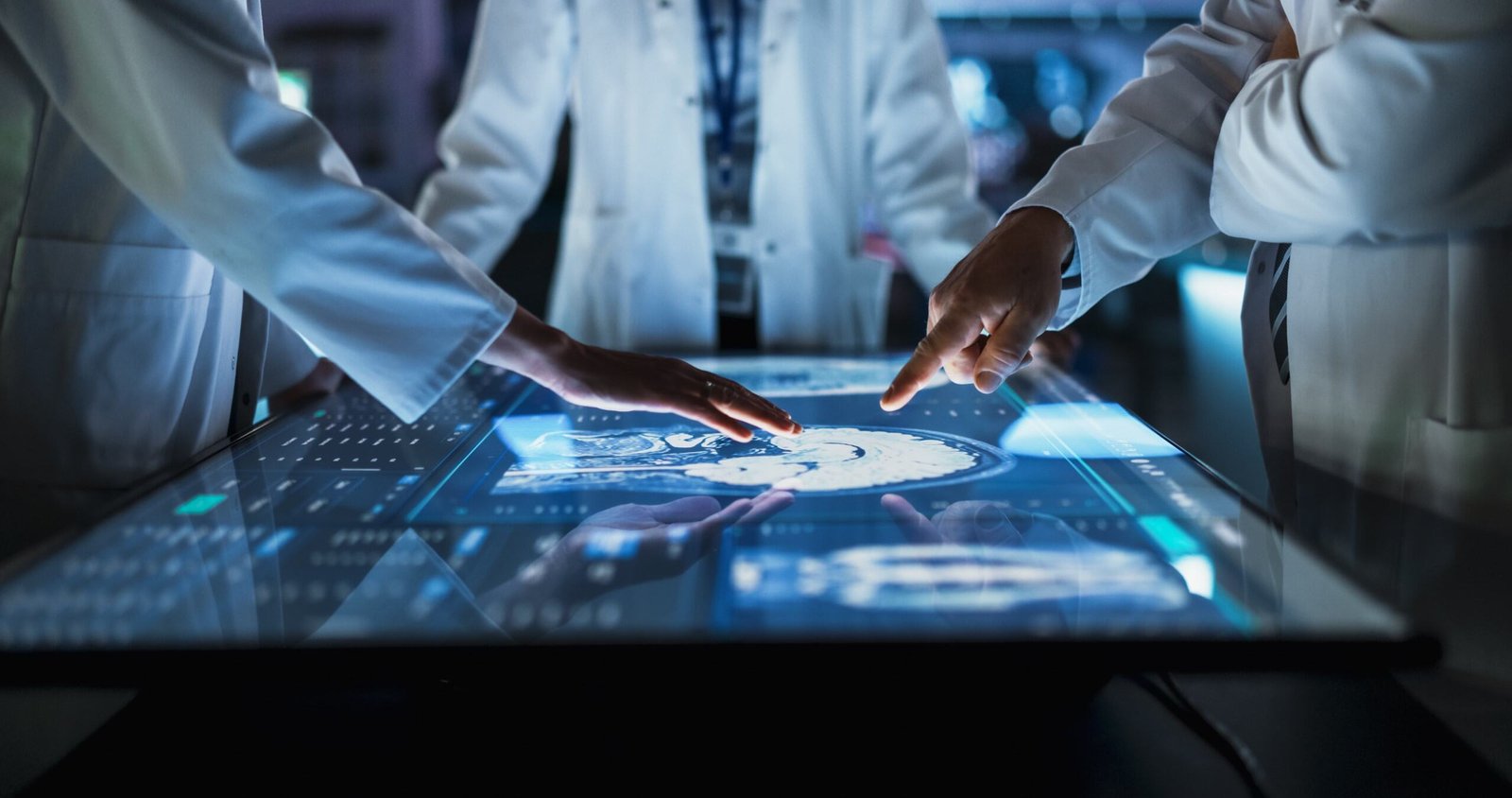
Modern mobile units incorporate advanced technologies such as telemedicine capabilities, digital imaging systems, and real-time data transmission. These features allow healthcare professionals to provide high-quality care even in remote locations. Fabricators must ensure that these technologies are seamlessly integrated into the design without compromising functionality.
Simulation tools have become increasingly valuable in this process. By using engineering software to model performance and identify potential issues, manufacturers can optimize designs before production begins. This approach not only improves efficiency but also reduces costs and development time. For a deeper look at how simulation is advancing manufacturing processes, this insight into simulation in automotive manufacturing highlights similar innovations shaping industrial workflows.
Advancing Healthcare Access Through Mobility
The impact of mobile healthcare units is most evident in communities that have historically faced barriers to care. Rural areas, in particular, benefit from services that would otherwise require long travel distances. Preventive care, screenings, and routine check-ups become more accessible, leading to better health outcomes over time.
Urban environments also benefit from mobile solutions. In densely populated areas, these units can reduce strain on hospitals by providing decentralized care. They are often used for vaccination drives, health awareness campaigns, and emergency response efforts, demonstrating their versatility across different contexts.
Custom Mobile Healthcare Solutions in Practice
The effectiveness of mobile healthcare units depends heavily on how well they are designed and fabricated. Providers seeking reliable and adaptable systems often turn to specialists who understand both engineering and healthcare requirements. Solutions such as custom mobile healthcare solutions illustrate how fabrication expertise can translate into real-world impact. These units are built with precision to support diverse medical functions while maintaining durability and compliance with industry standards.
By focusing on both performance and usability, these solutions enable healthcare professionals to operate efficiently in challenging environments. The ability to customize each unit ensures that it aligns with specific operational goals, whether it’s primary care, diagnostics, or specialized treatment.
The Role of Industrial Fabrication in Innovation
Industrial fabrication has evolved far beyond traditional manufacturing. Today, it encompasses advanced techniques such as CNC machining, modular construction, and precision welding. These capabilities allow for the creation of highly specialized structures that meet exacting standards.
In the context of healthcare, fabrication plays a pivotal role in ensuring that mobile units are both functional and reliable. Every component, from the chassis to the interior fixtures, must be engineered to perform under demanding conditions. This level of precision is what enables mobile healthcare units to deliver consistent and high-quality care.
Lessons from Technology and Marketing Evolution
The intersection of engineering and healthcare is not the only area experiencing transformation. Technological advancements have also influenced how industries communicate and evolve. For example, exploring how innovation has shaped marketing strategies can provide valuable insights into broader industry trends. A related discussion can be found in this PLG supplies overview, which highlights how innovation influences perception and adoption.
These parallels underscore the importance of adaptability. Just as marketing strategies evolve to reflect technological change, industrial fabrication must continue to innovate to meet the growing demands of modern healthcare systems.
Challenges and Future Opportunities
Despite their advantages, mobile healthcare units present unique challenges. Regulatory compliance, maintenance requirements, and logistical considerations can complicate deployment. Fabricators and healthcare providers must work closely to address these issues and ensure long-term sustainability.
Looking ahead, advancements in materials science, automation, and digital connectivity are likely to further enhance mobile healthcare solutions. Lightweight composites, energy-efficient systems, and AI-driven diagnostics could all play a role in shaping the next generation of units. As these technologies mature, the potential for mobile healthcare to expand its reach and capabilities will continue to grow.
Conclusion
Industrial fabrication is quietly redefining the boundaries of healthcare delivery. By enabling the creation of sophisticated mobile medical units, it is helping to bring care closer to those who need it most. These innovations reflect a broader shift toward flexibility, accessibility, and precision in healthcare systems.
As engineering and medicine continue to intersect, the importance of thoughtful design and expert fabrication will only increase. Mobile healthcare solutions represent more than a technological advancement, they are a practical response to real-world challenges, offering a glimpse into a more adaptable and inclusive future for healthcare.






Show Comments (0)