












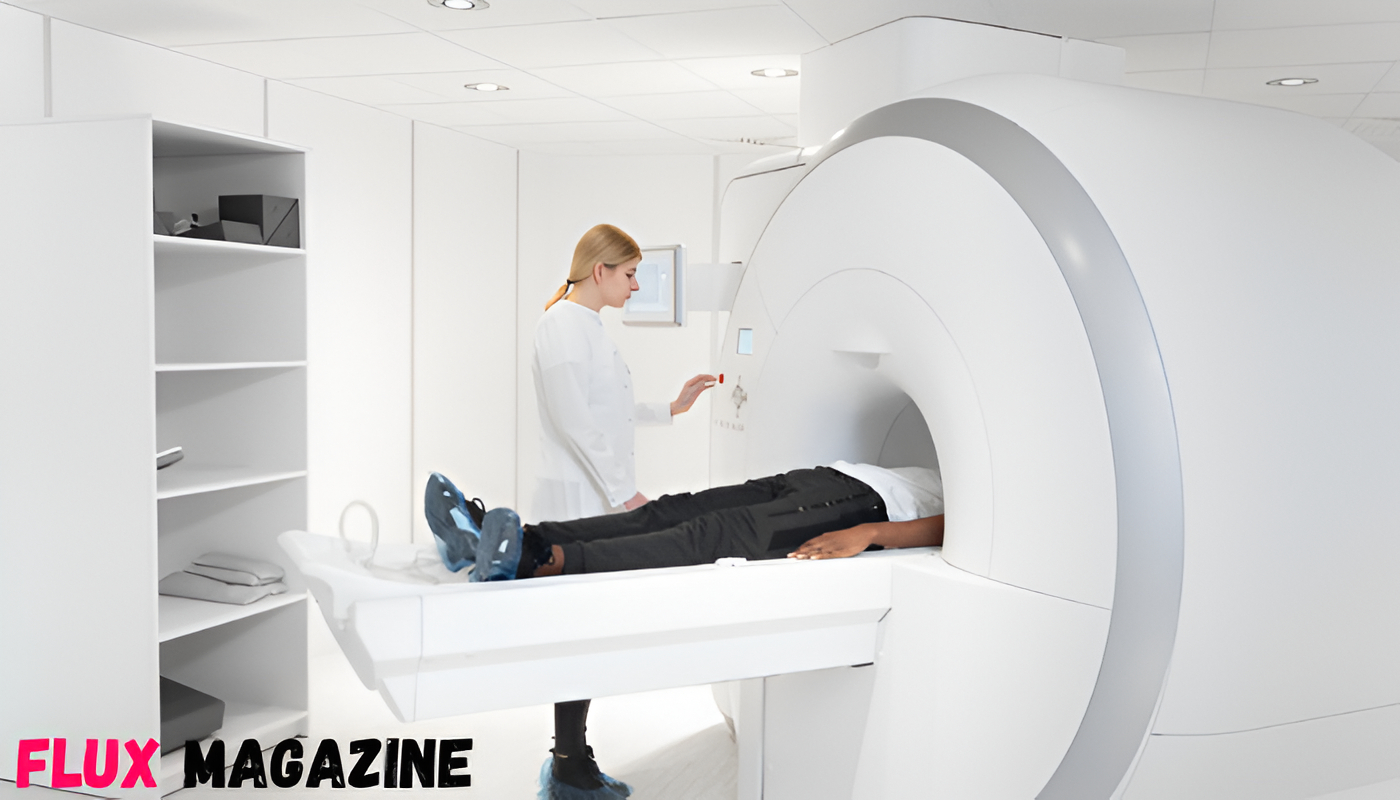
Receiving a CT scan report can be confusing, especially for patients unfamiliar with medical terminology. While computed tomography provides highly detailed images of the body, the written report is what truly explains what those images mean. Learning how to read and understand a CT scan report can help you prepare for follow-up consultations and better understand your health situation.
Why the CT Scan Report Matters More Than the Images
A CT scan produces hundreds of cross-sectional images showing organs, bones, blood vessels and soft tissues. However, these images are not meant to be interpreted by patients. The CT scan report, prepared by a radiologist, translates visual data into medical information.
This document explains what structures were examined, whether any abnormalities were found and how significant those findings may be. For doctors, the report is a key diagnostic tool. For patients, it is a structured explanation of what the scan revealed.
Key Sections of a CT Scan Report
Although formats may differ slightly, most CT scan reports include several standard elements:
Examination details: type of scan, body area, date and use of contrast
Technique: brief description of how the scan was performed
Findings: a detailed assessment of organs and tissues, listed systematically
Impression or conclusion: a concise summary highlighting the most important results
If you feel overwhelmed by the findings section, start with the impression. This part is designed to summarise the radiologist’s main observations in a clearer, more direct way.
How to Read Medical Terms Without Jumping to Conclusions
CT scan reports often contain technical language that can sound alarming when taken out of context. Words like “lesion,” “density” or “enlargement” are descriptive, not diagnostic by themselves.
It is important to remember that:
- Not every abnormality is clinically significant
- Many findings require correlation with symptoms or blood tests
- Radiologists describe what they see, not how it should be treated
Your doctor will interpret the report alongside your medical history and decide whether further tests or treatment are necessary.
Common Questions Patients Have About Their CT Results
Patients often wonder whether a CT scan report provides a final diagnosis. In most cases, it does not. Instead, it supports clinical decision-making. A report may suggest possible causes, recommend additional imaging or confirm that no significant abnormalities were detected.
Another frequent concern is timing. Changes seen on CT can represent acute issues, chronic conditions or normal anatomical variations. This is why follow-up with a healthcare professional is essential, self-interpretation can easily lead to unnecessary anxiety.
When a Second Opinion Can Be Helpful
If your CT scan report is unclear, contradictory or raises concerns before an important medical decision, seeking an independent radiology opinion may be valuable. A second review can confirm findings, clarify ambiguous descriptions or provide reassurance. Understanding your CT scan report is not about making a diagnosis yourself, but about being informed and prepared for meaningful discussions with your doctor.







Show Comments (0)