











If you’re struggling to choose between original equipment manufacturer (OEM) parts and aftermarket parts when purchasing equipment, then this guide is for you. We’ll help you understand the differences between OEM and aftermarket parts, help you choose the most suitable parts for heavy equipment, and what you really need to consider when selecting a reliable aftermarket parts supplier.
What Are OEM Parts?
OEM means Original Equipment Manufacturer. These parts are produced by the same company that manufactured your machine. They are designed for perfect fitting, to comply with factory standards, and to maintain your equipment working in a condition similar to new.
What Are Aftermarket Parts?
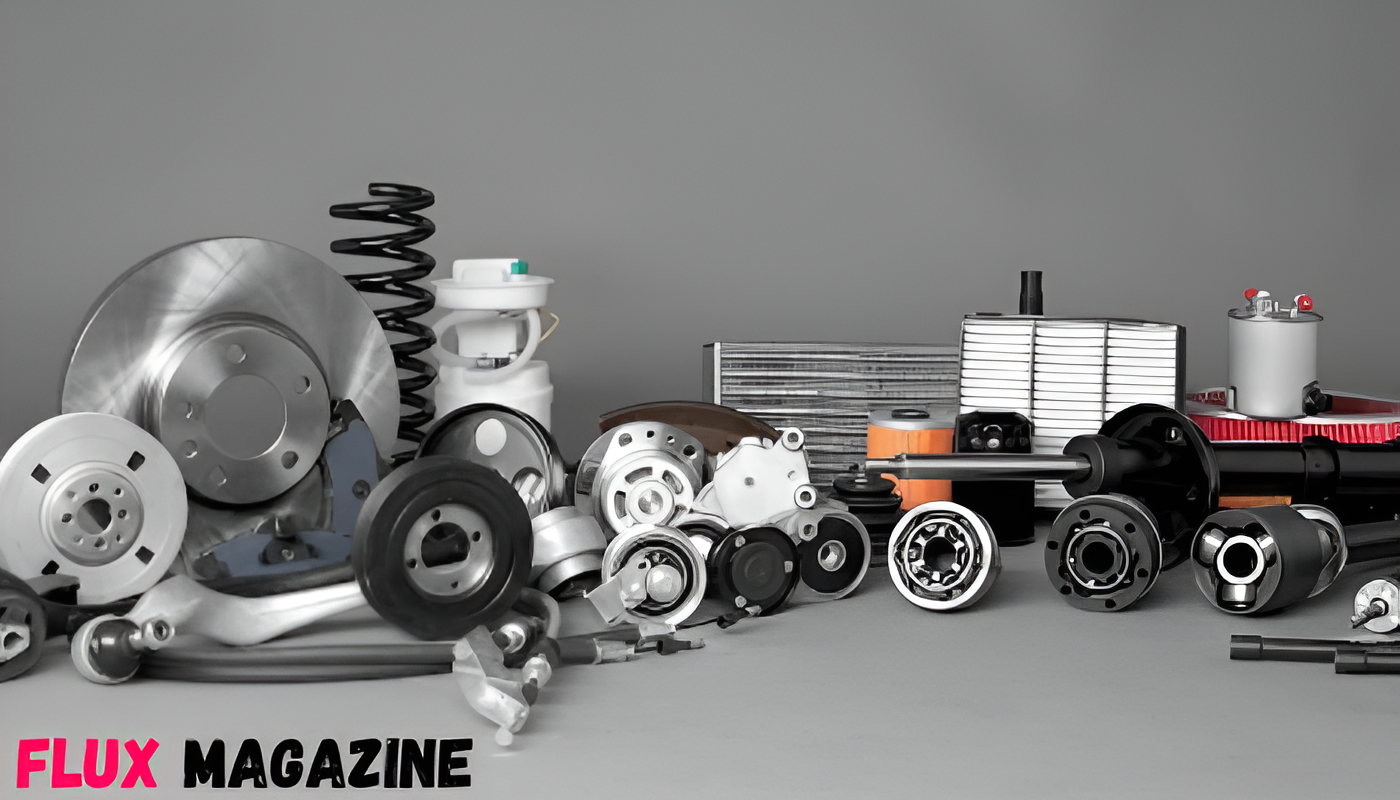
Aftermarket parts are produced by certified third-party manufacturers, instead of being made by the original machine producer. They are designed for achieving the same functional purpose, and in many situations, they even adopt improved materials or updated structural designs. A reliable aftermarket parts supplier is able to provide components that can deliver both strong working performance and noticeable cost reduction.
For instance, if your loader or excavator cannot be started due to a malfunctioning ignition system, you can source a compatible ignition switch from a qualified aftermarket parts supplier. Their product range usually covers many machine brands, while also offering assurance on performance capability and installation fitment.
Aftermarket vs. OEM: How to Choose?
Choosing between OEM and aftermarket isn’t about which one is “better.” It’s about finding what’s best for your situation, machine, and budget. Let’s break it down by the most common decision factors in off-road operations.
1. Cost Control and Return on Investment
For most operators, cost is the biggest factor. OEM parts are priced higher because of brand value and limited supply channels. Aftermarket parts remove that markup.
A quality part from a reliable aftermarket parts supplier gives you equivalent performance at a fraction of the cost. In large fleets or seasonal operations, this translates into better budgeting without compromising reliability.
| Factor | OEM Parts | Aftermarket Parts |
| Price | High | Lower |
| Fit Accuracy | Always exact | Depends on quality |
| Availability | May require factory order | Usually in stock |
| Warranty | Factory-backed | Supplier-backed |
| Durability | Confirmed | Varies by manufacturer |
| Cost Efficiency | Lower ROI | Higher ROI for day-to-day jobs |
2. Downtime and Availability
When your loader or excavator fails mid-project, waiting weeks for OEM parts can stop work in its tracks. That downtime costs both money and reputation.
Aftermarket options, especially from online suppliers with large inventories, can be shipped immediately.
3. Fit, Function, and Compatibility
OEM parts guarantee a perfect match, that’s their biggest strength. However, aftermarket manufacturers now provide detailed compatibility listings by model and part number.
When sourced from trustworthy suppliers, aftermarket parts fit well, perform reliably, and sometimes include improved designs, such as strengthened seals or upgraded materials.
Before purchasing, always confirm your part number, model code, or equipment type for the best fit.
4. Reliability and Performance in Real-World Use
Modern aftermarket parts often use updated materials and advanced manufacturing methods that make them as reliable as OEM components.
For example, an aftermarket starter motor or fuel pump designed for rugged off-road conditions can handle vibration, dust, and temperature extremes just as well. The key is to buy from established brands that test their parts before sale.
5. Warranty and Risk Considerations
An OEM part is often covered by the manufacturer’s warranty, but aftermarket parts are backed by the supplier’s terms. FridayParts, for instance, offers a 90-day return guarantee, protecting your purchase.
Using aftermarket parts does not automatically void your warranty, unless the part directly causes equipment failure, a point many users misunderstand.
In reality, when you buy from a reputable source, you maintain reliability without risking your machine’s integrity.
6. Equipment Type and Workload
Different machines need different part strategies:
Critical systems such as engine components and hydraulic pumps may call for OEM parts on newer machines.
Wear items like seals, filters, belts, or ignition components are ideal for aftermarket replacements, cost-effective, easy to replace, and high-performing.
7. Service Lifespan and Total Ownership Cost
Consider not only the purchase price but also the long-term ownership cost.
OEM parts may last slightly longer, but aftermarket versions from trusted suppliers can provide the same durability at a lower price point.
When you multiply the cost difference across dozens of machines, aftermarket parts often deliver the best lifetime value per dollar, especially for older or high-use fleets.
8. Mixing OEM and Aftermarket for Best Results
You don’t need to stick to one category. Many professionals mix OEM and aftermarket parts for balanced performance and cost management.
For example:
Use OEM for specialized engine components.
Use aftermarket for electrical, hydraulic, or structural elements like mufflers, belts, or filters.
Key Factors in Component Selection
- Picking the right component is about matching parts to your real needs.
- Start by checking your machine age and warranty limits. If the warranty still applies, OEM might be best; if not, aftermarket saves you money.
- Next, consider availability, if downtime damages your schedule, aftermarket ensures faster delivery. Always confirm your part number, review compatibility information, and rely on feedback from trusted suppliers.
Conclusion
Both OEM parts and aftermarket parts play important roles in the maintenance of off-road machinery. OEM parts provide reliability and precision, while the aftermarket brings advantages such as affordability, availability, and flexibility. Through choosing a trustworthy aftermarket parts supplier, it becomes possible for users to obtain the best of both worlds, namely, performance together with cost savings.






Show Comments (0)