


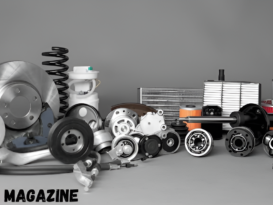










The U.S. alone discarded over 2.37 million tons of electronics, and much of this waste came from computer hardware products and data centers. Selling used data center equipment provides a strategic way to recover value from outdated or surplus assets. This approach helps maintain an efficient, eco-friendly operation. Your outdated data center equipment can get pricey to maintain in the ever-changing world of IT. Selling your used data center equipment lets you recoup costs and free up valuable storage space. The process also contributes to a circular economy. The sale of data center equipment clears physical space and taps into substantial residual value in your enterprise servers, storage arrays, and other hardware.
This piece will give you the details you need about used data center equipment for sale. You’ll learn about hardware assessment, data security, and market value determination. The guide also covers finding reputable data center equipment buyers. Bulk sellers can benefit from connecting with specialized IT asset disposition vendors to streamline the process and maximize returns.
Assessing Your Used Data Center Equipment
Taking inventory is a vital first step to maximize the value of your used data center equipment before you rush to sell your surplus IT assets. A proper assessment helps you understand what you have and can affect your potential return on investment by a lot.
Create a Detailed Inventory of All Hardware
A complete inventory forms the foundation to sell used data center equipment successfully. You should start by listing every physical and virtual asset in your data center. This full accounting should list all network devices such as routers, switches, firewalls, servers, workstations, and any other connected equipment.
For each device, record:
- Make and model
- Hardware specifications
- Current firmware version
- Physical location
- Device role in the network
- Configuration settings
- Specific software installed
This detailed approach does more than just prepare for sale. It helps administrators monitor device status, plan for upgrades, and spot potential issues quickly. A complete inventory also prevents unauthorized devices from appearing on your network and helps with complete asset management.
Identify Operational VS Non-Operational Units
The difference between functioning equipment and non-operational components is a key step that directly affects your data center assets’ resale value. This helps potential data center equipment buyers know exactly what they’re purchasing and lets you set the right price expectations.
Organizations often miss opportunities because they don’t classify their equipment properly. Non-operational data, which has records of power fluctuations, current loads, voltage levels, fault events, and environmental conditions, is usually stored in non-point formats that need manual retrieval.
Even partially non-operational equipment can be valuable if you document it properly. You can sell functioning components from non-operational systems separately, which often improves overall returns. This careful classification helps you get the best value when preparing assets for sale.
Document Serial Numbers and Configurations
Good documentation is your edge in the secondary market. Industry research shows that well-documented servers can sell for up to 40% more than poorly documented ones.
For each piece of equipment, record:
- Serial numbers and service tags (unique identifiers that make accurate tracking easier)
- Configuration details and specifications
- Maintenance records and upgrade history
- Warranty information and expiration dates
Keeping records of all security patches, hardware upgrades, and system optimization gives potential buyers confidence in your equipment. This transparency builds trust and helps you sell your used data center equipment for sale faster at better prices. Note that detailed documentation does more than help with the sale. It gives you valuable insights for future purchases and helps track how assets depreciate across your organization.
Ensuring Data Security and Compliance
Data security is the life-blood of selling used data center equipment responsibly. A thorough inventory won’t matter if you neglect proper data sanitization. This oversight can trigger catastrophic consequences of data breaches and steep compliance penalties.
Understand Data Privacy Regulations (HIPAA, GDPR, etc.)
Data security regulations vary substantially in different regions and industries. You must understand which regulations apply to your organization before selling any used data center equipment.
Healthcare organizations follow HIPAA (Health Insurance Portability and Accountability Act) guidelines that protect medical information through strict controls on storage and destruction. HIPAA rules affect covered entities (health plans, healthcare clearinghouses, most providers), business associates, and their subcontractors.
GDPR (General Data Protection Regulation) rules in the European Union give people the “right to be forgotten” and companies must erase personal data when asked. Breaking these rules can cost you fines up to €20 million or 4% of annual global turnover.
CCPA (California Consumer Privacy Act) protects California residents and has rules about proper data disposal. California has more than 25 state privacy and data security laws.
Organizations that handle sensitive information face serious fallout from improper data handling:
- Data leaks and potential misuse of sensitive information
- Non-compliance penalties and financial losses
- Lost customer trust and damaged reputation
The Morgan Stanley data breach shows what happens when poor data center decommissioning leads to breaches and millions in penalties.
Use Certified Data Erasure Methods
You can’t just delete or format drives when preparing data center equipment for sale. The National Institute of Standards and Technology (NIST) guidelines (NIST SP-800-88) outline three levels of data sanitization:
- Clear: Software or hardware overwrites storage space with new values, blocking standard access to data
- Purge: Physical or logical techniques make data recovery impossible even in advanced labs
- Destroy: Physical destruction makes media completely unreadable
NSA-approved degaussers work well for magnetic media, while solid-state media requires multi-pin punch devices. Any device that fails the clear process needs degaussing (for magnetic media) or physical destruction.
Generate Certificates of Data Destruction
A Certificate of Data Destruction proves your organization has eliminated confidential information permanently. This document helps your internal records and gives data center equipment buyers peace of mind.
Your certificates of destruction should list:
- Date and time of destruction
- Serial numbers of destroyed devices
- Verification of the complete erasure process
These certificates protect you legally by showing compliance during audits and reducing your liability if breaches occur. They also help build trust with potential buyers of your used data center equipment for sale.
Tools like BitRaser give you certificates for every wiping instance and create an audit trail of the complete data erasure process. When you work with outside vendors for equipment decommissioning, make sure they use certified data sanitization tools that generate proper documentation.
Note that data security goes beyond avoiding penalties, it protects your organization’s reputation and keeps customer trust intact. Understanding relevant regulations, using certified erasure methods, and keeping proper documentation lets you sell your used data center equipment with confidence while managing security risks.
Conclusion
Selling used data center equipment is more than just getting your money back. This piece explores how good assessment, security practices, market knowledge, and sales preparation work together to boost your returns while staying compliant. A detailed inventory record can affect your potential earnings greatly. Data security is crucial – poor sanitization could lead to serious breaches and regulatory penalties. You must use certified erasure methods and keep destruction certificates as proof of compliance. The right timing can make a big difference when selling your equipment. You’ll get better returns by selling quickly instead of keeping aging assets until they lose value. Some specialized equipment might follow different depreciation patterns, which could make it worth holding onto them longer.
You have many sales channels to choose from, each with its own benefits based on your needs. Online marketplaces give you wide exposure, while direct sales help you avoid platform fees. ITAD companies provide full services that are especially helpful for big decommissioning projects.
Your success in the market depends on how well you prepare. Clean, tested hardware with proper documentation sells for much higher prices than poorly presented items. Buyers feel more confident, and sales happen faster when you’re transparent. The market for used data center equipment keeps growing fast, giving organizations more chances to get value from their IT investments. By doing this and being organized, you can get the most value while supporting a greener technology ecosystem. Your old equipment is worth more than you think – you just need the right strategy to tap into its full potential.




Show Comments (0)