










Software risk does not arrive all at once. It creeps in quietly, commit by commit, dependency by dependency, rushed release by rushed release. That is exactly why continuous risk scoring has become such a powerful idea in modern development. Instead of waiting for a quarterly audit or a last-minute scan before deployment, you get a living view of where your code stands right now. And when that living view is paired with AI code security tools, the result is faster decisions, clearer priorities, and far fewer blind spots.
For teams under pressure, this matters deeply. You are not just trying to ship features. You are trying to protect customer trust, preserve uptime, and avoid the kind of avoidable mistakes that can haunt a business for years. Static, one-time checks are simply too slow for today’s development cycles. Continuous scoring keeps pace with reality.
Why Continuous Risk Scoring Changes the Game for AI Code Security
Traditional security reviews often act like snapshots. They capture one moment, then grow stale almost immediately. But software is never still. New code is added. Old libraries linger. Permissions change. Configurations drift. A score calculated once and forgotten quickly loses value.
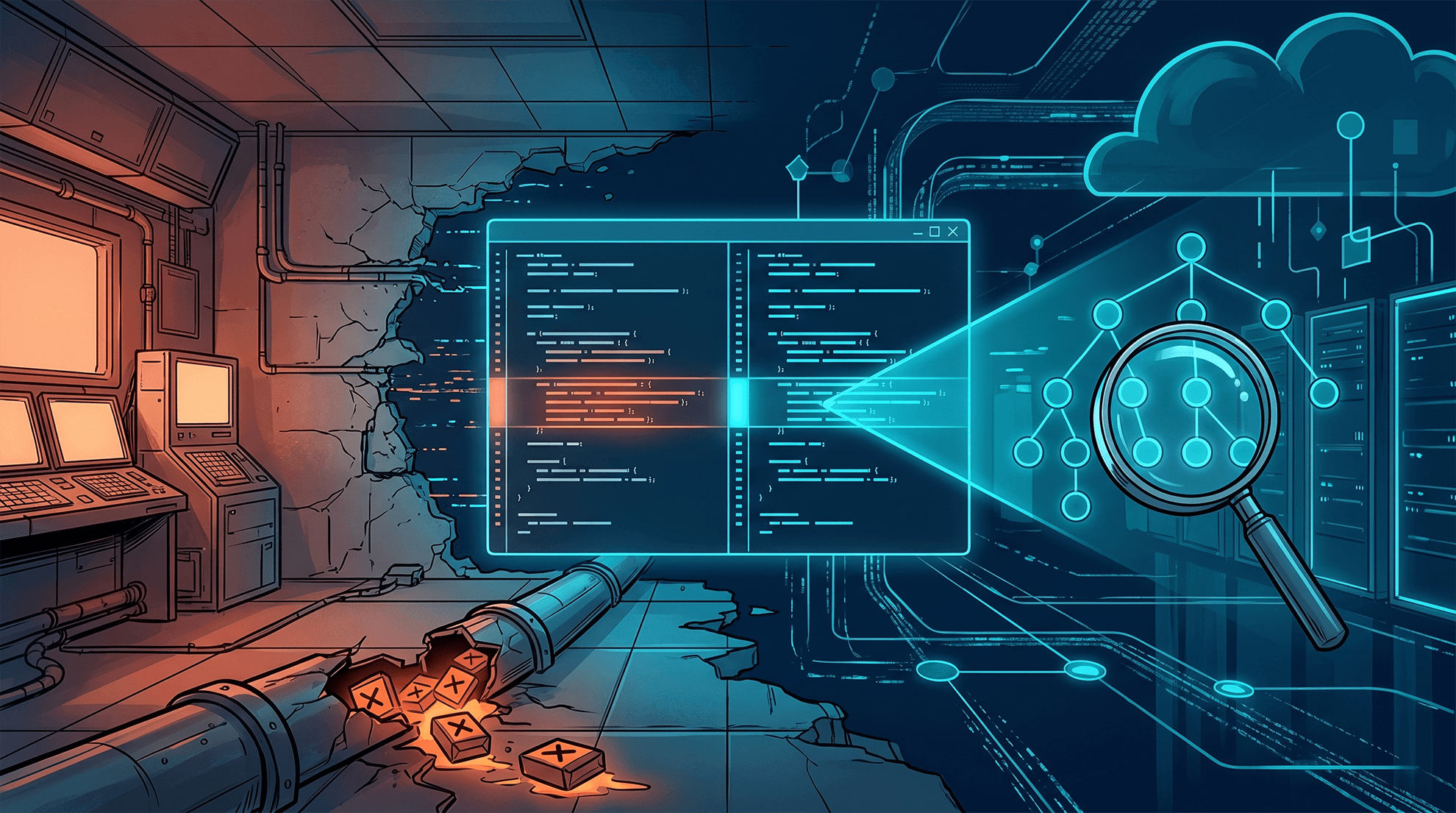
Continuous risk scoring works differently. It tracks signals over time and adjusts as your environment evolves. That means you are not just asking, “Is this vulnerable?” You are also asking, “How vulnerable is this today, in this environment, under these conditions, and with this business impact?”
That shift is huge.
It is a little like watching children on a playground. At first glance, everything may seem perfectly fine. Then you notice the loose bolt on the slide, the puddle near the swings, the crowd forming near the monkey bars. Risk is not one thing. It is a changing mix of context, motion, and timing. Software behaves the same way. What looked safe yesterday may be dangerous today because the surrounding conditions changed.
This is where the best AI code security tools comparison becomes more useful than old rule-based scanning alone. It can identify patterns, correlate findings, and detect which issues deserve urgent attention. Instead of flooding your team with hundreds of alerts, it helps separate noise from danger.
How AI Code Security Tools Improve Prioritization
One of the biggest failures in software security is not the lack of findings. It is the overload of findings. Teams are drowning in alerts, many of them technically valid but practically unimportant. When everything looks critical, nothing gets fixed quickly enough.
Continuous risk scoring addresses this by ranking issues based on real-world relevance. Severity still matters, of course, but so do exploitability, code exposure, asset value, and the likelihood that a weakness can actually be used. The smartest platforms combine these dimensions into a dynamic score that tells your team where to act first.
That is why AI code security tools are so effective in this role. They process massive amounts of data much faster than manual review ever could. They can examine code behavior, identify unusual patterns, compare historical trends, and surface the issues that carry the highest operational risk.
Think about a busy kitchen after dinner. If you leave every plate, pan, and cup piled in the sink, it becomes hard to tell what needs attention first. But once the dishwasher starts running and everything is sorted, the chaos shrinks. Security teams face a similar mess every day. Continuous scoring acts like that sorting step. It restores clarity when clutter threatens judgment.
What Continuous Scoring Actually Measures
A strong continuous risk scoring model is not built on a single metric. It blends multiple inputs into a more truthful picture of software health. That often includes:
– Code vulnerabilities and their severity
– Open-source dependency exposure
– Misconfigurations in infrastructure or pipelines
– Secrets accidentally embedded in code
– User access privileges and privilege creep
– Historical remediation speed
– Asset criticality and business sensitivity
This broader lens matters because risk is rarely isolated. A medium-level flaw in an internal testing tool may matter less than a lower-rated issue in a customer-facing payment workflow. Context changes everything.
With AI code security in the workflow, these signals become more actionable. The technology can help connect related weaknesses, spot chains of failure, and identify where small flaws combine into larger threats. That creates a much more mature view of risk than a simple pass-or-fail scan.
Building Better Order From Constant Change
Development teams live in motion. Branches multiply. Releases tighten. Priorities shift by the hour. In that environment, security can feel like the department always asking everyone to slow down. But continuous risk scoring creates a more practical rhythm. It brings order to the constant churn without forcing development to stop.
There is a reason that word matters. Order is not the same as rigidity. It is structure that allows fast movement without collapse. Many teams discover this the hard way. A company may feel productive right up until a hidden flaw reaches production and triggers days of firefighting. Suddenly, speed no longer feels impressive. It feels reckless.
A short story captures this well. Picture a small office at the end of a release week, whiteboards crowded, coffee going cold. Someone finally decides to put a little order into the scramble by reviewing not just the bug count, but which bugs truly threaten the release. That moment changes everything. Panic softens. The team breathes again. Priorities become visible. That is exactly what continuous scoring offers at scale.
Why AI Code Security Tools Fit Modern DevSecOps
Modern DevSecOps depends on feedback that is immediate, relevant, and easy to act on. Developers do not need more disconnected dashboards. They need guidance inside the places they already work. Continuous risk scoring supports that by feeding current risk data into pull requests, CI/CD pipelines, ticketing systems, and cloud workflows.
The value here is emotional as much as technical. Developers want to build with confidence. Security teams want to reduce exposure without becoming blockers. Leaders want proof that risk is being managed, not merely documented. When scoring is continuous and intelligent, everyone gets a clearer path forward.
This is where AI code security tools shine again. They help automate triage, reduce alert fatigue, and support decisions that match the pace of real development. They do not replace human judgment. They sharpen it.
The Path Forward for Safer, Smarter Software
Continuous risk scoring works because software risk is continuous. It does not wait politely for your next audit window. It shifts every day, often every hour. If your visibility is static, your protection will be static too.
By combining ongoing scoring with AI code security, teams gain something they have needed for a long time: a realistic, timely, and useful understanding of what actually matters most. And when that understanding is embedded into daily workflows, security stops feeling like a distant checkpoint and starts becoming part of how strong software is built.
That is the real promise here. Not more alerts. Not more noise. Better judgment, better timing, and better protection when it counts most.





Show Comments (0)