






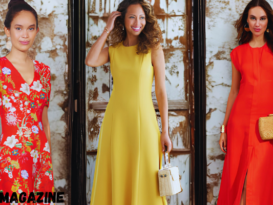




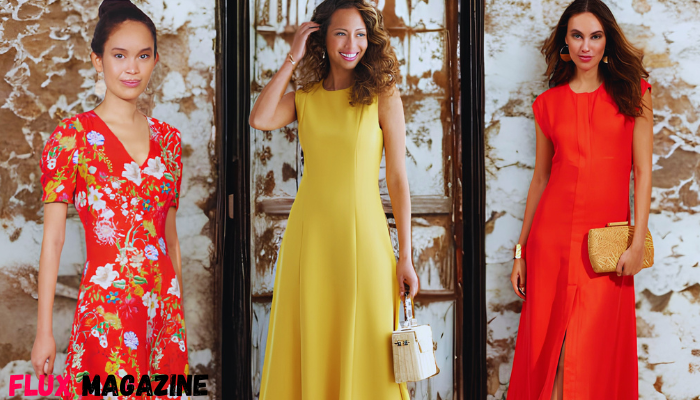
Female clothing patterns cover a lot more ground than most people expect. The term can mean the printed designs on fabric, like florals or stripes, or it can mean the paper and PDF templates sewists use to cut and stitch a garment together. Both meanings matter if you’re trying to build a wardrobe you actually love, whether you’re shopping for ready-made pieces or making your own from scratch. This guide walks through both sides, plus the fabrics that make each pattern work.
What Are Clothing Patterns?
In everyday shopping language, a clothing pattern usually means the print on the fabric itself, things like polka dots, stripes, or florals. In sewing, though, a pattern means something different: a template made of paper or thin card that shows the exact shape of each piece of a garment before it’s cut and sewn. A dress might need six or seven separate pattern pieces, including the front bodice, back bodice, sleeves, and skirt panels. Both meanings show up constantly in fashion, so it helps to know which one someone means before you go shopping or start cutting fabric.
Common Style Patterns and Silhouettes
Every garment style has a basic shape, or silhouette, that decides how it fits the body. Here’s a quick breakdown of the most common ones used in women’s clothing.
| Style Pattern | Fit Description | Best Suited For |
|---|---|---|
| A-line | Fitted through the top, flaring at the hem | Best for pear and hourglass shapes |
| Sheath | Fitted straight through the body, minimal flare | Hourglass and rectangle shapes |
| Wrap | Crosses at the front and ties at the waist | Adjustable fit, works for most shapes |
| Empire | Fitted under the bust, loose through the rest | Apple shapes and anyone wanting a relaxed waist |
| Fit-and-flare | Fitted bodice with a full skirt from the waist down | Hourglass and pear shapes |
| Shift | Straight, loose fit with little shaping | Rectangle shapes, casual and relaxed looks |
| Peplum | Fitted waist with a flared ruffle just below it | Rectangle shapes wanting more waist definition |
Popular Print Patterns
When people talk about a patterned outfit, they usually mean the design printed or woven into the fabric. A few prints show up again and again across women’s fashion.
Florals remain one of the most common choices for dresses and blouses, especially in spring and summer collections. Stripes work well because they’re easy to mix and match, and vertical stripes are often chosen to create a slimming effect. Polka dots give a playful, slightly retro look. Plaid and checks show up heavily in fall and winter pieces. Geometric prints and animal prints tend to make a bolder statement and work best as a single standout piece rather than an entire outfit.
Best Fabrics for Different Patterns
The fabric you choose changes how a pattern looks and drapes, sometimes more than the pattern itself. Here’s a simple guide to matching fabric with garment type.
| Fabric | Key Traits | Best Used For |
|---|---|---|
| Cotton | Breathable, easy to sew, holds prints well | Everyday tops, dresses, casual wear |
| Linen | Lightweight, breathable, wrinkles easily | Summer dresses, relaxed shirts |
| Silk | Smooth drape, delicate, needs careful handling | Formal dresses, blouses |
| Jersey knit | Stretchy, comfortable, forgiving fit | T-shirts, casual dresses, loungewear |
| Denim | Sturdy, holds shape well | Jackets, skirts, structured pants |
| Chiffon | Sheer, flowy, lightweight | Evening wear, layered skirts |
| Wool blend | Warm, holds structure | Coats, tailored jackets, winter skirts |
Sewing Pattern Basics for Beginners
If you’re making your own clothes rather than buying them, a few terms come up repeatedly on pattern sheets or PDFs. Seam allowance is the extra fabric left between the stitch line and the fabric edge, usually around half an inch to five-eighths of an inch depending on the pattern brand. Darts are folded, stitched triangles of fabric that shape flat cloth around curves like the bust or waist. Ease refers to the extra room built into a pattern beyond your exact body measurements, so the garment isn’t skin-tight. Grainline is the printed arrow on the pattern piece that shows how it should line up with the fabric’s weave, which affects how the finished piece hangs. Notches are small marks along the pattern edges that show which pieces line up with each other during sewing. Getting comfortable with these basics makes it much easier to follow any pattern, whether it’s a paper one from a fabric store or a downloadable PDF.
How to Choose the Best Pattern for Your Body Shape
There’s no single correct pattern for any body type, but a few guidelines help narrow things down. If you want to highlight your waist, fit-and-flare or wrap styles usually work well. If you prefer a relaxed, no-fuss fit, shift or empire styles are easier to wear all day. For sewing beginners, patterns with fewer pieces and simple shapes, like a basic A-line skirt or a loose top, are far less frustrating than a fitted dress with darts and a zipper.
Tips for Buying or Making Your First Pattern
Start with your actual body measurements rather than your usual clothing size, since sizing varies a lot between pattern brands. Read through the entire instruction sheet before cutting any fabric, since sewing patterns often use a different order of steps than you’d expect. Choose a fabric that’s close to what the pattern recommends, since a stiff cotton and a flowy chiffon will behave completely differently even with the same pattern pieces.
Also Read: Soft Summer Celebrities: The Ultimate Guide to the Soft Summer Color Season
FAQs About Female Clothing Patterns
What’s the difference between a sewing pattern and a print pattern?
A sewing pattern is a guide used to cut fabric into the pieces needed to make a garment. A print pattern is the design on the fabric itself, like stripes or florals. They’re unrelated terms that just happen to share a name.
Which fabric is easiest for beginners to sew with?
Cotton is usually the easiest. It doesn’t slip around while cutting or sewing, holds its shape, and is forgiving of small mistakes.
Can any print pattern be used on any style pattern?
Technically yes, but some combinations work better than others. Large, bold prints tend to look best on simple silhouettes, while busy or fitted styles often look cleaner in a solid color or small print.
How much fabric do I need for a basic dress pattern?
It depends on the size and style, but most sewing patterns list the exact yardage needed for each size right on the envelope or instruction sheet, so it’s worth checking that before buying fabric.
Conclusion
Female clothing patterns, whether we’re talking about a floral print or a paper template for a dress, all come down to the same basic idea: shape and design working together to create something wearable. Once you understand the common silhouettes, the fabrics that suit them, and the sewing basics behind the scenes, choosing or making clothes stops feeling like guesswork. Start simple, pay attention to what fits your body and your comfort, and the rest tends to fall into place with a bit of practice.





Show Comments (0)