













There’s a legendary allure to American auto auctions. We’ve all seen the success stories: someone snags a late-model SUV for a fraction of its market value, spends a few hundred bucks on a sensor or a bumper, and ends up with a steal. It sounds like the ultimate life hack. But here is the cold, hard truth that most “get rich quick” YouTubers won’t tell you: winning the bid is the easy part. The real battle begins the moment the virtual gavel drops and you realize you have no idea how to get that car out of the yard. If you are new to this world, buying cars on Copart can feel like trying to learn a new language while someone is screaming at you in a crowded room. It isn’t just about clicking a button. It’s a complex ecosystem of licenses, strict deadlines, and logistical hurdles that can turn a “great deal” into a financial nightmare before you even see the car in person.
The “First-Timer” Trap: Storage Fees and Deadlines
The biggest shock for a newcomer isn’t the repair bill, it’s the storage bill. Auction yards are not parking lots; they are high-turnover processing centers. They want their space back, and they want it fast. Typically, from the moment the auction ends, you have a razor-thin window, usually just 2 to 3 days to pay for the vehicle and get it picked up.
If you don’t have a transport plan ready before you place your first bid, you’ve already lost. On day four, the storage fees kick in, and they are aggressive. We aren’t talking about a few dollars for a parking meter; we’re talking about daily fees that can quickly reach hundreds of dollars. Many people spend weeks hunting for a car, win it, and then realize they don’t even know which carriers are allowed to enter the yard. By the time they figure it out, the “savings” they made on the bid have been swallowed by the auction’s holding fees.
The Myth of “Just Driving It Home”
One of the most dangerous assumptions a beginner can make is thinking they can just fly out to the yard, throw on some temporary tags, and drive their new purchase home.
First, most yards won’t even let a private individual drive a car off the lot for safety and insurance reasons. Second, many of these vehicles are “salvage” for a reason. Even if the car looks pristine in the photos, you have no way of knowing if the suspension is shot, the fluids are drained, or the brakes are seized. Trying to save money by avoiding professional transport is the fastest way to end up stranded on the side of a highway in a state you can’t pronounce.
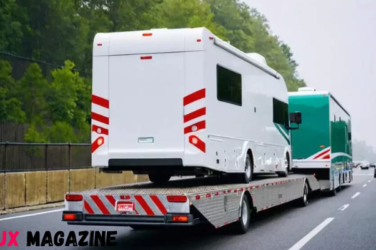
When you’re moving a car across the country, you aren’t just paying for the transport; you’re paying for a professional who knows how to navigate the “Gate Pass” system. They have the insurance, the equipment, and the clearance to enter the facility, secure the vehicle, and get it safely onto a trailer.
Understanding the “Condition” Language
Newcomers often get blinded by the “Run and Drive” icons. In auction-speak, “Run and Drive” only means the car started and moved forward and backward under its own power at the time it arrived at the yard. It doesn’t mean it’s road-legal, and it certainly doesn’t mean it’s safe for a 500-mile trip.
This is where the logistics get tricky. If you tell a carrier you’re shipping a “running” car, but the battery has died after sitting in the sun for three weeks, the driver is going to arrive and realize they can’t load it. Now, you’re looking at extra fees for a winch or a specialized tow. This is why seasoned buyers never assume anything. They prepare for the worst-case scenario because, at an auction, the worst-case is often the reality.
The Geography of a “Good Deal”
Another rookie mistake is ignoring where the car is actually located. A car in a rural yard in Wyoming might be $2,000 cheaper than the same car in New Jersey. But here’s the catch: carriers don’t like going to Wyoming.
Logistics is a game of “lanes.” Major highways between big cities are busy, which keeps prices low because trucks are always passing through. If you buy a car in a remote location, you are going to pay a “convenience premium” to convince a driver to go out of their way. Without a professional way to calculate car transport rates specifically for auction locations, you might find that the $2,000 you saved on the car is exactly what you’re going to spend on the extra shipping costs.
The Gateway to Professionalism
If this sounds intimidating, it’s because it should be. The auction world isn’t designed for the casual shopper; it’s built for those who treat it like a business. However, that doesn’t mean you can’t participate. It just means you shouldn’t do it alone.
Successful buyers spend as much time vetting their transport partners as they do checking VIN numbers. They know that a reliable shipping company isn’t just a “delivery service” it’s their eyes and ears on the ground. Before you even think about putting down a deposit or clicking that “Bid” button, you need to understand the mechanics of the move.
Here is the second part of the article. This section transitions from the “warnings” into the practical roadmap giving the reader the tools they need to actually manage the process while keeping the “insider expert” tone.
The “Day Zero” Plan: How to Ship a Car from Copart
If you’ve decided to take the plunge despite the hurdles, you need a protocol. You don’t just “buy and figure it out”; you plan the extraction before you ever place a bid. Think of it as a mission. The moment that gavel drops, you are in a race against the storage clock.
To successfully navigate the pickup, your first step is ensuring your payment is fully posted. This is where many beginners stumble. Sending a wire transfer isn’t enough; Copart must acknowledge it in their system. Once the status changes to “Paid,” you’ll receive your Gate Pass. This is the only document that matters to the yard. Without it, your driver is just a person with a truck sitting outside a fence, and you’re the one paying for his wasted time.
But how do you choose who goes in to get it? If you are moving a car across the country, you have to decide if you want the “standard” treatment or the “specialist” treatment. Because auction cars often have flat tires, dead batteries, or worse, you need to ensure your carrier is equipped with a winch. If you book a standard carrier and don’t mention the car is inoperable, they will leave it there. Period. They aren’t in the business of doing favors; they are in the business of moving freight.
The Paperwork: Your Shield and Sword
In the auction world, paperwork isn’t just bureaucracy it’s your only form of protection. Since you aren’t there to see the car loaded, you are relying entirely on the Bill of Lading (BOL). A professional carrier will document the car’s condition the moment it’s released. At a place like Copart, where cars are moved by forklifts, new damage can happen after the auction photos were taken. If your driver doesn’t note a fresh forklift puncture in the door at the time of pickup, you have no way to prove it didn’t happen during transit. This is why you need a carrier who understands “Auction Language” someone who knows how to spot the difference between auction-grade wear and tear and fresh transport damage.
The Elite List: Who to Trust with Your Win
When you’re a newcomer, you don’t want to experiment with unvetted carriers. You want the companies that have “seen it all.” Here are the five names that consistently handle the chaos of auction yards without losing their cool:
- GetCarrier: They are the gold standard for reputation. If you’re a dealer or a serious enthusiast, they offer the kind of precision that prevents storage-fee disasters.
- MoverJet Logistics: Perfect for those who want to keep their cash flow tight. Their “no-prepayment” policy means you aren’t out of pocket until the logistics are actually moving.
- TrueCarriers: These are the specialists. If your car is a total wreck or needs extra care, they have the patience and the equipment to handle the “un-shippable” jobs.
- Move Car Auto Transport: They are the compliance kings. Fully licensed and FMCSA-accredited, they ensure that the legal side of your move is as clean as the car (hopefully) is.
- National Express Auto Transport: With drivers who have a minimum of 5 years on the road, they are the safe bet for those terrifying 2,000-mile hauls where you can’t afford a single mistake.
Calculating the True Cost of “Cheap”
If there is one thing that will sink your investment faster than a blown engine, it’s a bad quote. New buyers often go for the lowest number they find. But in auto transport, the lowest quote is usually just a “fishing” price. A broker will throw out a low number to get your deposit, then realize no driver will take the job for that price.
To truly survive the auction game, you have to calculate car transport rates based on the current market, not your hopes. You have to account for the “Gate Fee” (a flat charge Copart hits you with), the “Environmental Fee,” and the potential for “Inop Fees” if the car doesn’t roll. If your total shipping cost ends up being 50% of the car’s value, was it really a deal?
Final Advice for the Uninitiated
Don’t let the shiny photos of a “Run and Drive” Mustang fool you. Every car at an auction is a project, and every project needs a solid logistical backbone. The most successful buyers aren’t the ones who know how to fix engines they’re the ones who know how to manage the move. If you want to see a full breakdown of the “hidden fees” that auction houses never talk about, or if you’re curious about how to handle a damage claim for a salvage vehicle, we’ve put together a deeper dive on our main site. We’ve been through the yards, handled the paperwork, and seen the “storage fee” horror stories so you don’t have to. Before you click “Bid,” make sure you have your exit strategy ready. In this business, the car isn’t yours until it’s off the auction lot and sitting on your property. Everything in between is where the professionals earn their keep.






Show Comments (0)